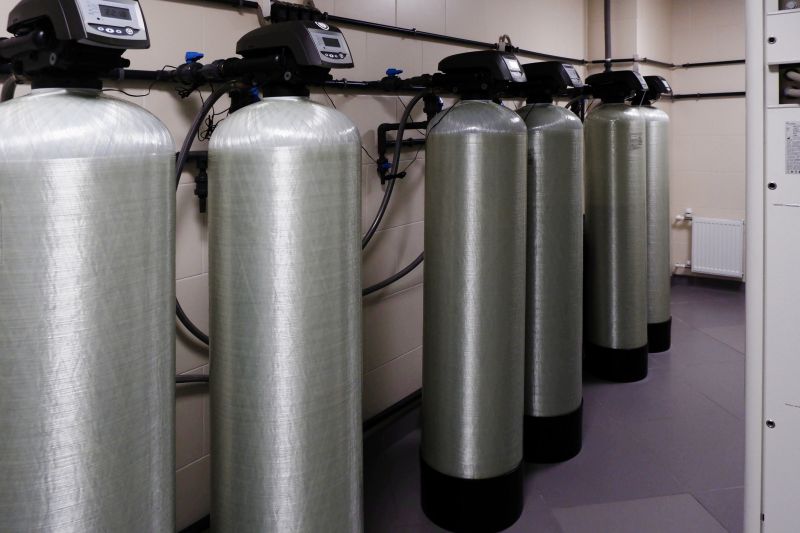
Water Softener Installation in Asheville, NC
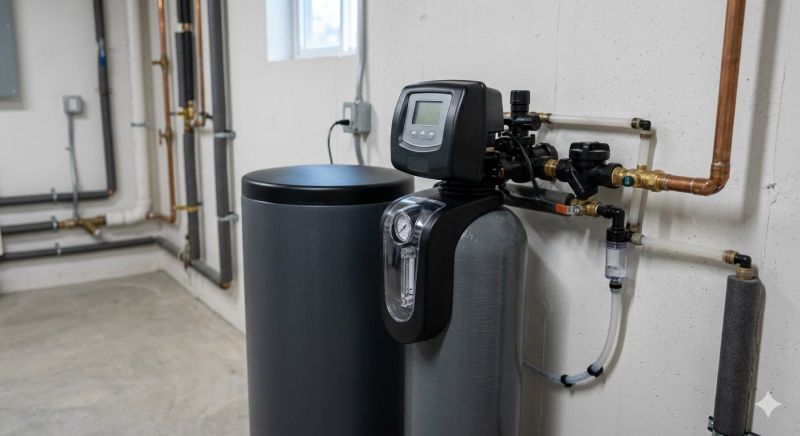
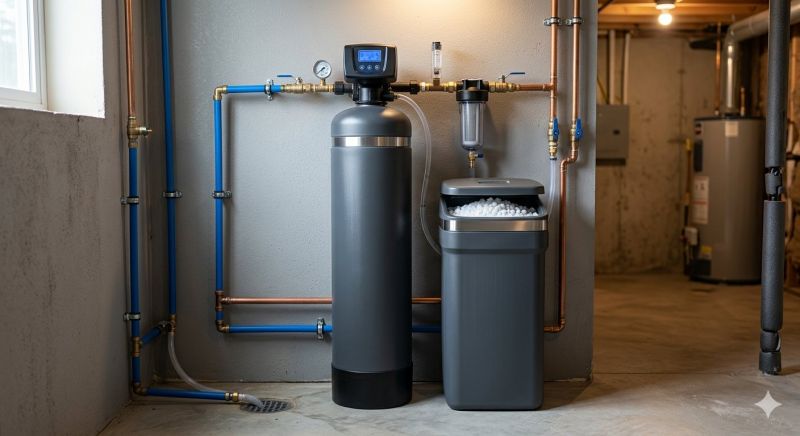
Water softener installation services involve adding a specialized system to a property’s plumbing to reduce hard water minerals such as calcium and magnesium. These systems typically include a resin tank and a control valve, working together to exchange minerals for sodium or potassium ions, resulting in softer water throughout the home. Projects can range from installing a new water softener in a residence to replacing or upgrading existing units, ensuring that appliances, fixtures, and plumbing experience less mineral buildup and scale. Property owners often want to understand the different types of water softeners available, their maintenance requirements, and how the installation process might impact daily routines.
Before requesting water softener installation, homeowners should consider factors such as water usage, water hardness levels, and the size of the household to select an appropriately sized system. It’s also helpful to learn about the ongoing maintenance needs, including resin regeneration and salt replenishment, as well as any potential effects on water taste. Clarifying these details can help ensure the chosen system effectively addresses water quality concerns and fits the property’s specific needs.
Many property owners in Asheville, NC look into Water Softener Installation for repairs, replacements, upgrades, and appearance-related improvements.
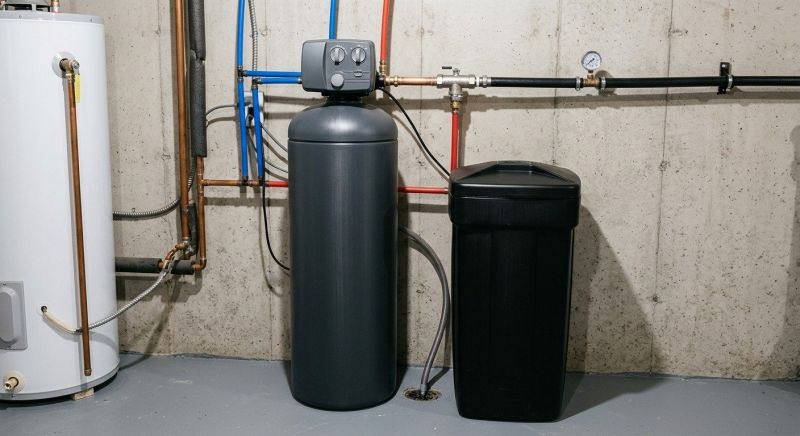
Benefits Of Water Softening
Softened water helps prevent mineral buildup and extends the lifespan of plumbing fixtures.
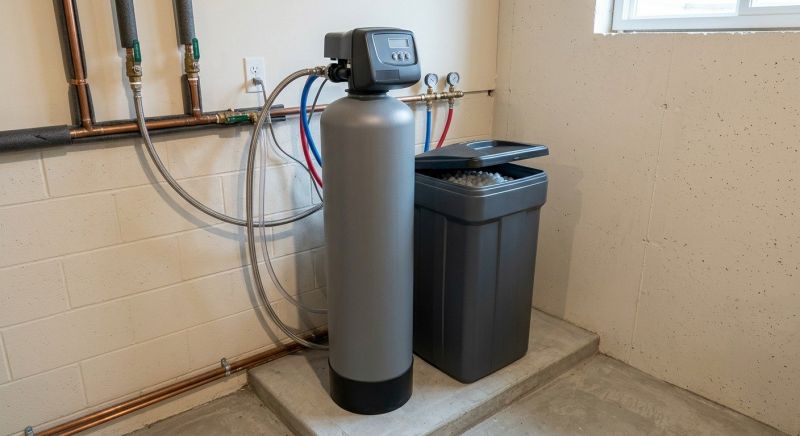
Installation Considerations
Proper placement and sizing of the softener ensure optimal performance for asheville homes.
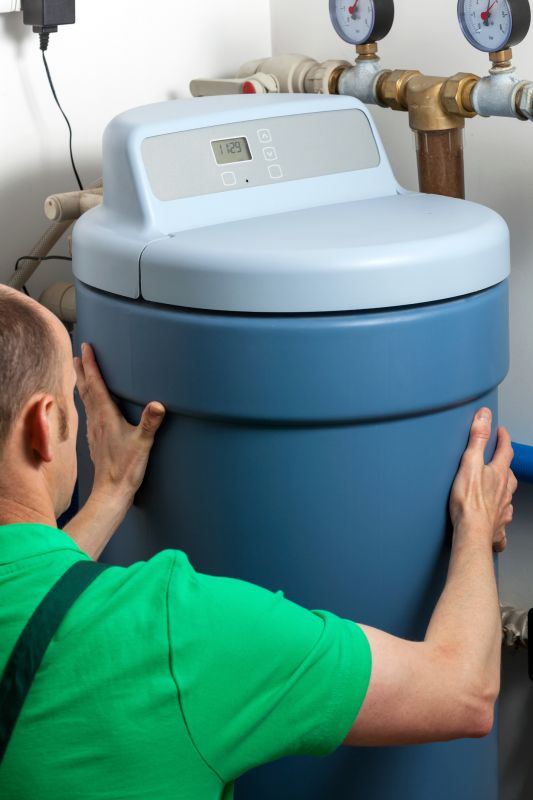
Maintenance And Care
Routine upkeep keeps the water softener functioning efficiently and maintains water quality.
Water Softener Installation in Asheville, NC

Water softener installation services involve adding a specialized system to a property’s plumbing to reduce hard water minerals such as calcium and magnesium. These systems typically include a resin tank and a control valve, working together to exchange minerals for sodium or potassium ions, resulting in softer water throughout the home. Projects can range from installing a new water softener in a residence to replacing or upgrading existing units, ensuring that appliances, fixtures, and plumbing experience less mineral buildup and scale. Property owners often want to understand the different types of water softeners available, their maintenance requirements, and how the installation process might impact daily routines.
Before requesting water softener installation, homeowners should consider factors such as water usage, water hardness levels, and the size of the household to select an appropriately sized system. It’s also helpful to learn about the ongoing maintenance needs, including resin regeneration and salt replenishment, as well as any potential effects on water taste. Clarifying these details can help ensure the chosen system effectively addresses water quality concerns and fits the property’s specific needs.
Many property owners in Asheville, NC look into Water Softener Installation for repairs, replacements, upgrades, and appearance-related improvements.
Common Water Softener Installation Jobs
Water Softener Installation - professional setup to improve water quality throughout the home.
Whole-House Softener Systems - designed to treat water for all fixtures and appliances.
Salt-Based Water Softener Installation - reduces mineral buildup and prevents hard water issues.
Compact Softener Units - ideal for smaller spaces or specific point-of-use needs.
Custom Water Softening Solutions - tailored to address specific water quality concerns.
Softener System Upgrades - replacing or enhancing existing units for better performance.
Water Softener Installation Questions
What is a water softener? A water softener is a device that reduces minerals like calcium and magnesium in the water, preventing scale buildup and improving water quality.
How does water softener installation work? Installation involves connecting the softener to the home's plumbing system, typically near the main water line, to treat incoming water.
What are common signs that a water softener is needed? Signs include mineral deposits on fixtures, soap not lathering well, and noticing hard water stains on dishes and glassware.
Can a water softener be added to any property? Most properties with a standard plumbing system can accommodate a water softener, but the specific setup may vary based on existing plumbing.
Request Water Softener Installation in Asheville, NC
Use the quote form on this page to share the basics of your project and request more information for the type of work you need.